
Unveiling the Intricate Dance of Gut Health and Holistic Healing
The human body is a complex system, finely tuned by the interactions of various microbiomes, especially the gut. Recent scientific insights have revealed that the gut may not just play a crucial role in our digestive health but could also be considered a central hub for overall well-being, influencing everything from mental health to systemic inflammation.
The Gut as a Command Center
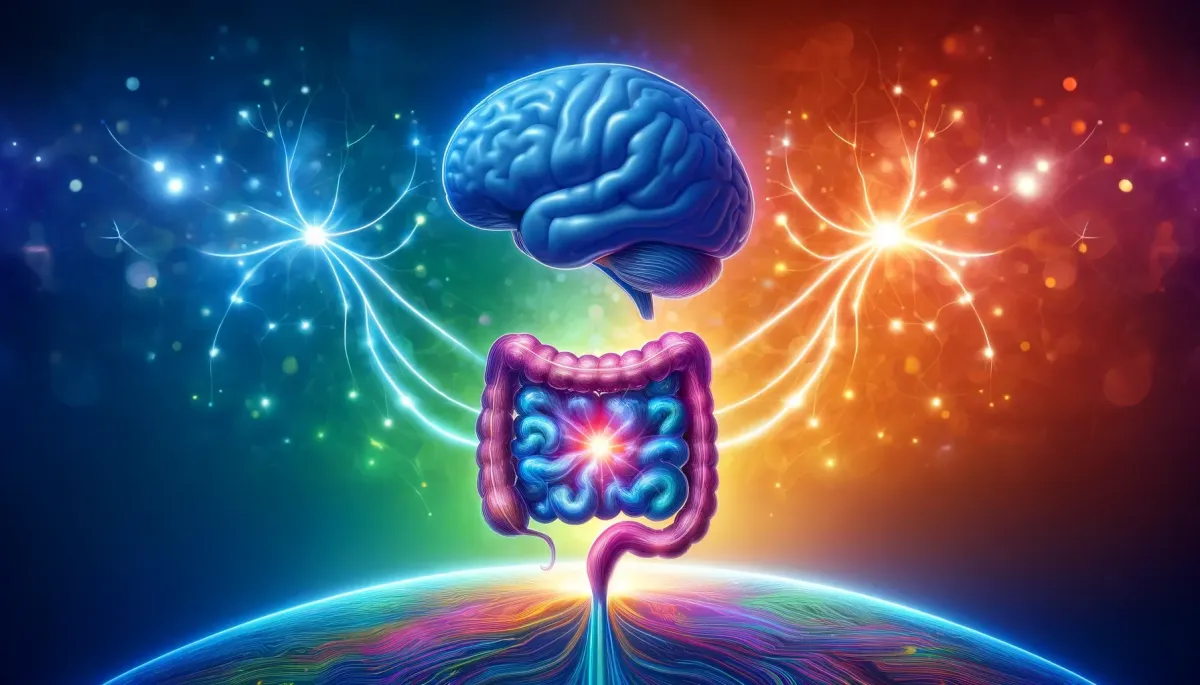
Our gut communicates with the brain using a vast network of signals, where for every 10 parts of information exchanged, nine are transmitted from the gut to the brain. This suggests that the gut could effectively be our “first brain,” dictating numerous bodily functions and influencing our health far beyond digestion.
The Role of Microbiome Diversity
The diversity of the gut microbiome is pivotal. Currently, science has identified over 10,000 species of bacteria in the human gut, with estimates suggesting there could be up to 40,000. This diversity is crucial for maintaining the balance and health of our gut. The more diverse our gut flora, the better our body can manage and prevent diseases, including autoimmune disorders.
Microbiome Testing: A Nascent Field
While microbiome testing offers some insights, it is still in its infancy. Most commercial tests capture a tiny snapshot of our gut’s bacterial population, missing the broader ecosystem which includes not only bacteria but fungi, viruses, and other microorganisms. Understanding and harnessing this complexity is the next frontier in gut health.
Impact of Antibiotics and the Microbiome
Antibiotics can disrupt the gut microbiome, significantly increasing the risk of mental health issues like anxiety and depression due to the reduced production of critical neurotransmitters like serotonin, predominantly manufactured in the gut.
Holistic Approaches to Gut Health
Embracing a diet rich in diverse, locally sourced foods can dramatically impact the health of our gut microbiome. Foods interact with our gut flora, sending “microRNA” signals that can influence everything from our mood to our immune responses.
The Future of Gut Health
Advances in understanding the gut’s role suggest a paradigm shift in treating and preventing diseases through dietary choices and minimizing antibiotic use. Emphasizing a connection with nature and consuming a variety of natural foods can enhance our microbiome’s health and, by extension, our overall well-being.
In conclusion, the gut’s profound impact on our health underscores the importance of maintaining a rich and balanced microbiome through diet, lifestyle, and careful medical interventions. As we learn more about this complex ecosystem within us, we can better harness its power to foster health and prevent disease, paving the way for a holistic approach to health that starts from within.
Fun Facts about your gut:
Serotonin Superhighway: About 90% of the body’s serotonin, a key neurotransmitter that regulates mood, is produced in the gut, not the brain.
Bacterial Bounty: The human gut contains over 100 trillion microorganisms—that’s about ten times the number of cells in the human body!
Gut-Brain Dialogue: The gut and the brain are in constant communication via the vagus nerve, one of the longest nerves in the body, which sends signals in both directions.
Microbial Zoo: More than 10,000 species of bacteria reside in the gut, but scientists believe we’ve only just begun to uncover the full extent of the gut’s microbial diversity.
Viral Universe: For every human cell, there are roughly 10 viral particles in the gut, playing a complex role in our health and immune system.
Fungal Footprint: Up to 15% of the microRNA in our bloodstream, which can turn genes on or off, comes from fungi, challenging previous beliefs about their minimal role in the gut.
Ancient Wisdom: The concept of the gut as a second brain was suggested over 2,000 years ago by Hippocrates, who famously said, “All disease begins in the gut.”
Protective Power: A single course of antibiotics can alter the gut microbiome for up to a year, sometimes leading to increased risks of anxiety, depression and auto-immune conditions if not effectively rebalanced.
Dietary Dynamics: Changing your diet can alter the composition of your gut microbiome within 24 hours, showcasing the direct impact of nutrition on gut health.
Microbiome by Touch: Research suggests that we can influence our gut microbiome not just by what we eat but also by our environment and the objects, animals, and people we touch.

Empowering Your Path to Wellness


